Why Valencia Is Spain's Best-Kept Secret
Valencia sits quietly between the global fame of Barcelona and Madrid, and that's precisely what makes it so wonderful. Spain's third-largest city offers everything — futuristic architecture, a medieval old town, Europe's best food market, incredible beaches, and the authentic birthplace of paella — without the overwhelming tourist crowds of its bigger siblings.
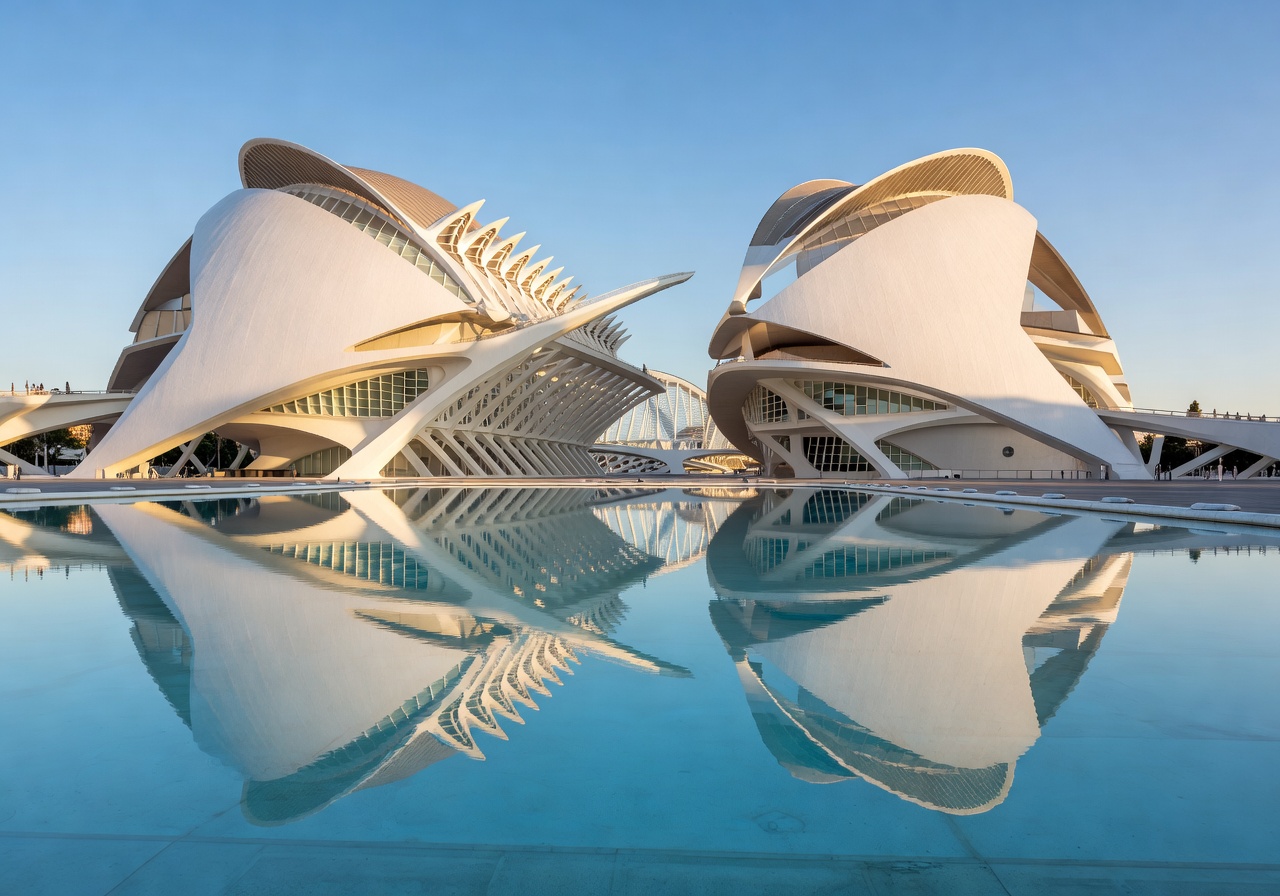
Set on the Mediterranean coast, Valencia has undergone a remarkable transformation over the past two decades. The old Turia riverbed — diverted after devastating floods in 1957 — was converted into a stunning 9-kilometer park that runs through the city, culminating in Santiago Calatrava's jaw-dropping City of Arts and Sciences complex.
Best Things to Do in Valencia
1. City of Arts and Sciences
This is Valencia's crown jewel — a breathtaking complex of futuristic buildings designed by Santiago Calatrava and Félix Candela. The Oceanogràfic (Europe's largest aquarium), the Hemisfèric (IMAX cinema and planetarium), and the Palau de les Arts (opera house) are all architectural masterpieces. Even if you don't go inside, walking through the complex at sunset is magical.
2. Central Market (Mercado Central)
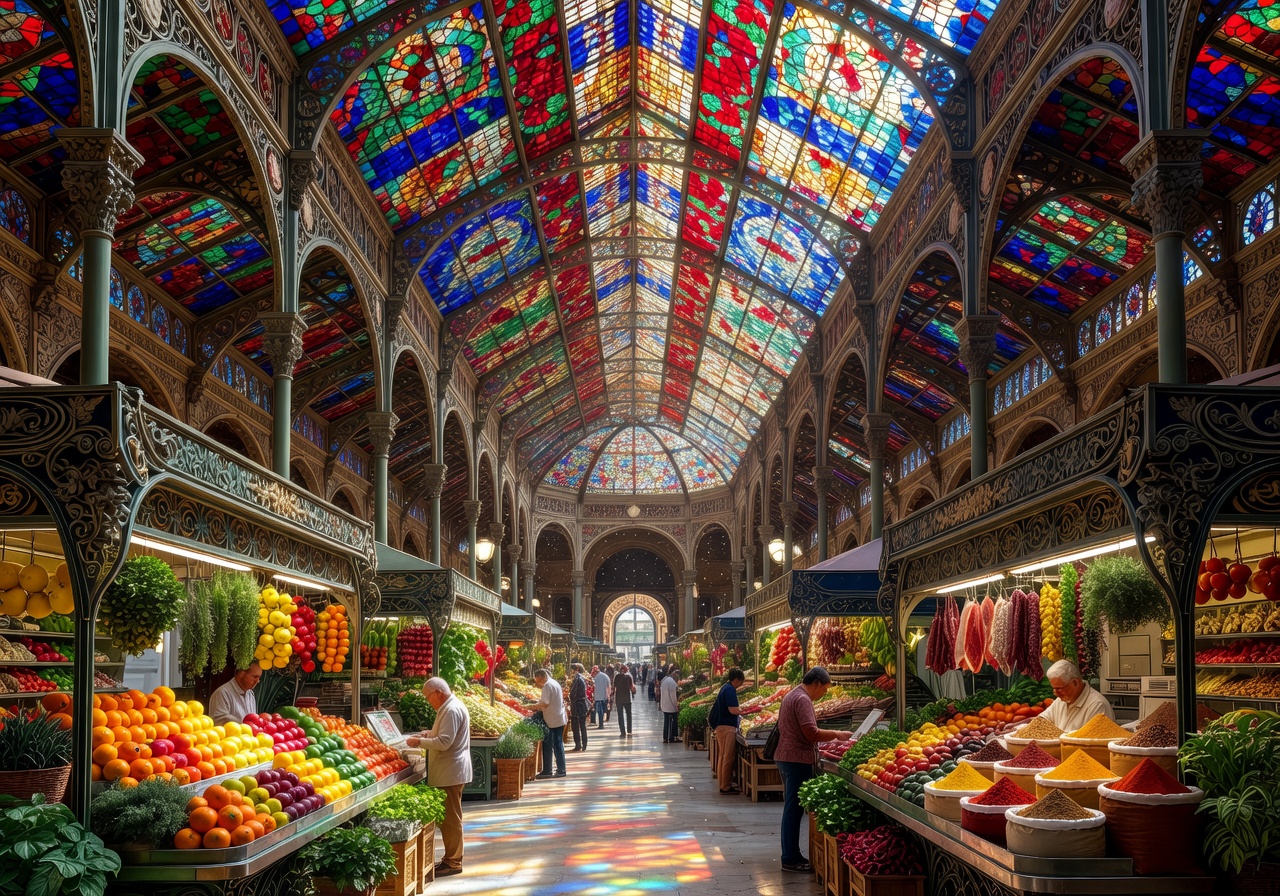
One of Europe's largest and most beautiful fresh food markets, the Mercado Central is housed in a stunning Art Nouveau building. Over 1,000 stalls sell everything from local oranges and saffron to fresh seafood and traditional horchata. It's the perfect place to understand Valencia's food culture from the ground up.
3. Eat Authentic Paella
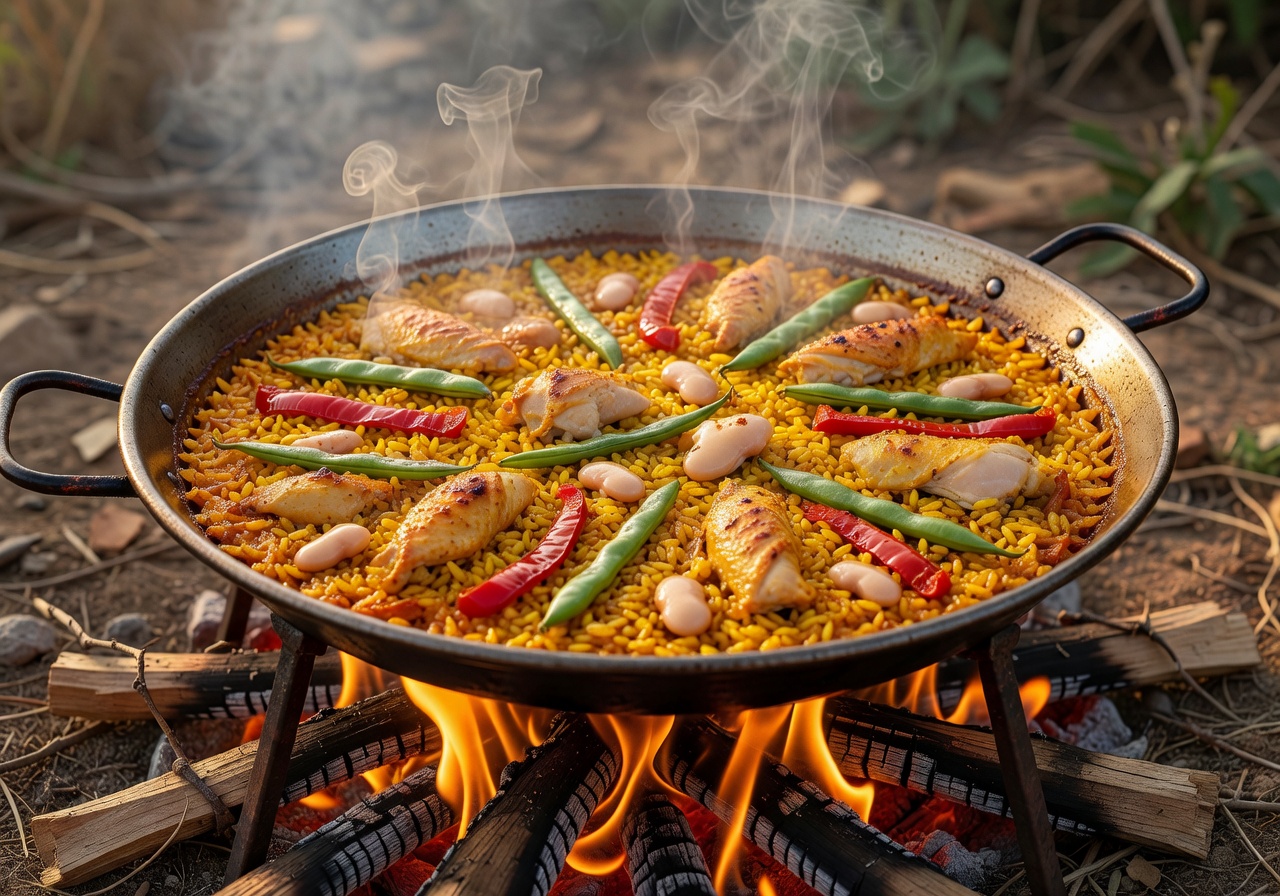
Valencia is where paella was born, and locals take it very seriously. The authentic Valencian paella includes chicken, rabbit, green beans, garrofó (butter beans), and saffron — NOT seafood (that's a different dish called arroz a banda). For the real thing, head to the restaurants in El Palmar village by the Albufera lagoon, or try highly-rated spots in the Cabanyal neighborhood.
4. La Lonja de la Seda (Silk Exchange)
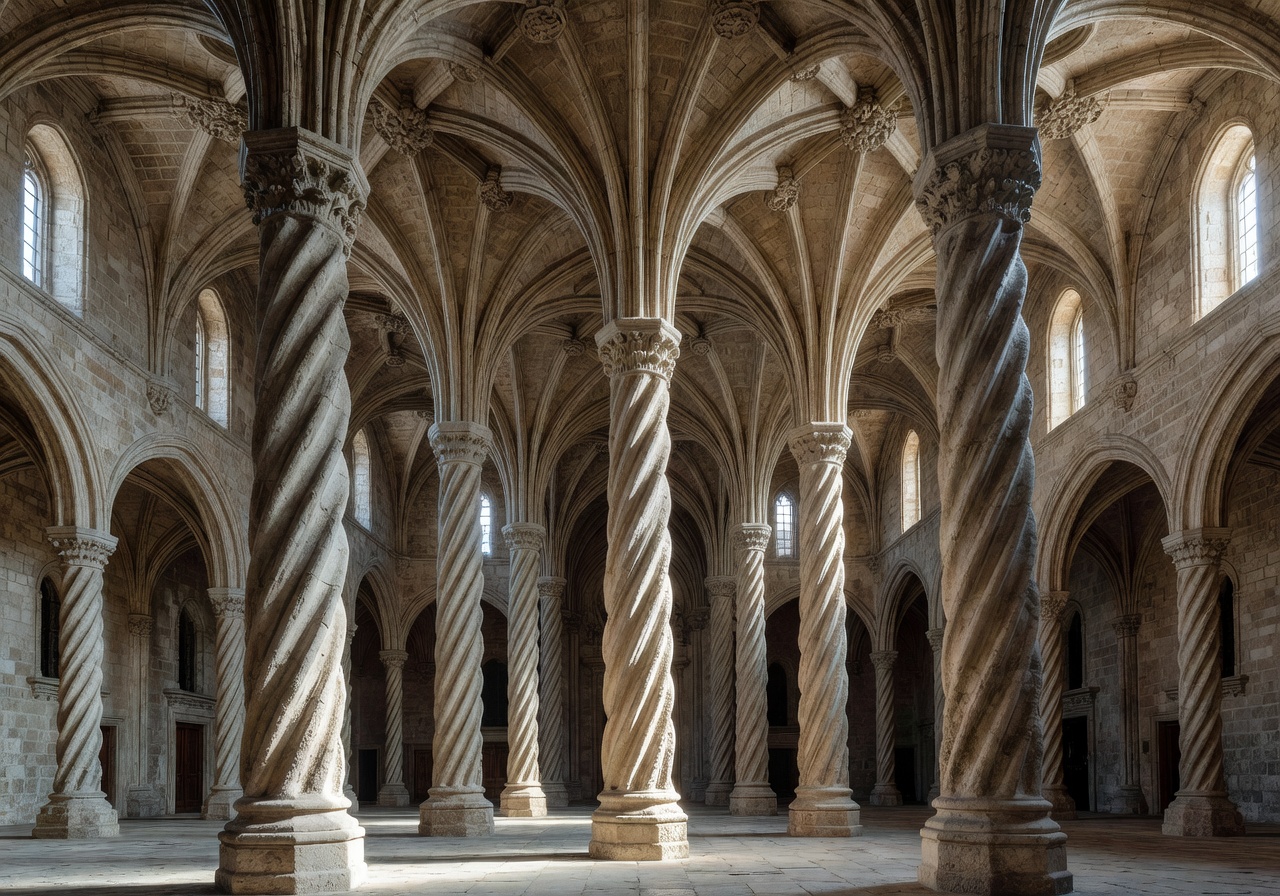
This stunning 15th-century Gothic building is a UNESCO World Heritage Site and one of the finest examples of late Gothic architecture in Europe. The main hall — with its spiraling columns holding up a soaring ceiling — was the medieval trading floor for Valencia's silk merchants. It's remarkably well-preserved and beautifully atmospheric.
5. Turia Gardens
The old Turia riverbed has been transformed into a 9-kilometer ribbon of green running through the city. It's perfect for cycling, jogging, or simply walking under orange trees. The gardens contain playgrounds, sports facilities, and the whimsical Gulliver Park — a giant figure of Gulliver that children can climb all over.
Best Time to Visit Valencia
March–June and September–October offer ideal weather. The famous Las Fallas festival in March (a UNESCO Intangible Cultural Heritage event with giant papier-mâché figures that are burned in an incredible spectacle) is worth planning your trip around. Summer is hot but the beach makes it manageable. Winters are mild and sunny.
Food & Culture
Beyond paella, Valencia's food scene includes all i pebre (a garlic and pepper eel stew from the Albufera), horchata (a refreshing tiger nut milk drink, especially good from Horchatería Santa Catalina), buñuelos (fried pumpkin doughnuts), and incredible fresh seafood. The Ruzafa neighborhood has become the epicenter of Valencia's hip food and bar scene.
Travel Tips for Valencia
- Valencia is extremely bikeable — the flat terrain and dedicated bike lanes make it perfect for cycling
- The Valencia Tourist Card offers free public transport, museum entry, and discounts
- Never order "paella" with seafood in Valencia and call it authentic — locals will correct you (politely)
- The beach at Malvarrosa is the most accessible, but Patacona (just north) is quieter and equally nice
- Las Fallas (March 15–19) is extraordinary but accommodation fills up months ahead — book early
- The old town is walkable in about 30 minutes end to end — no need for transport in the center