Why Granada Is Unforgettable
Granada is the kind of city that changes the way you see the world. Nestled at the foot of the Sierra Nevada — Spain's highest mountain range — this ancient Andalusian city was the last Moorish stronghold in Spain, falling to the Catholic Monarchs in 1492. That dramatic history has left an indelible mark on the city's character, architecture, and atmosphere.
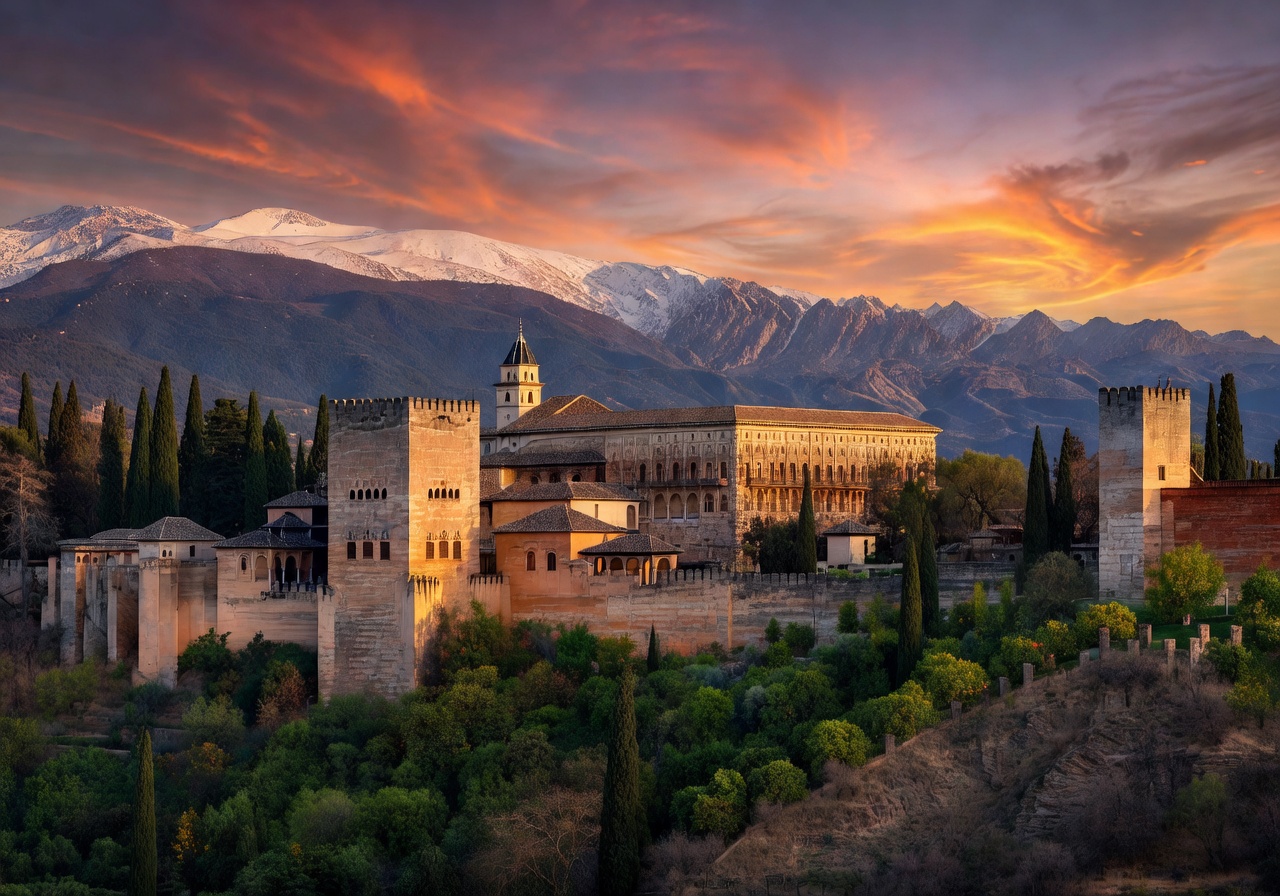
The crown jewel is, of course, the Alhambra — a 13th-century palace complex of such exquisite beauty that it has been called the most remarkable piece of architecture in the world. But Granada is so much more than one monument. It's a city of labyrinthine whitewashed neighborhoods, fiery flamenco in ancient caves, snow-capped mountains visible from medieval streets, and one of Spain's most generous tapas cultures.
Best Things to Do in Granada
1. The Alhambra
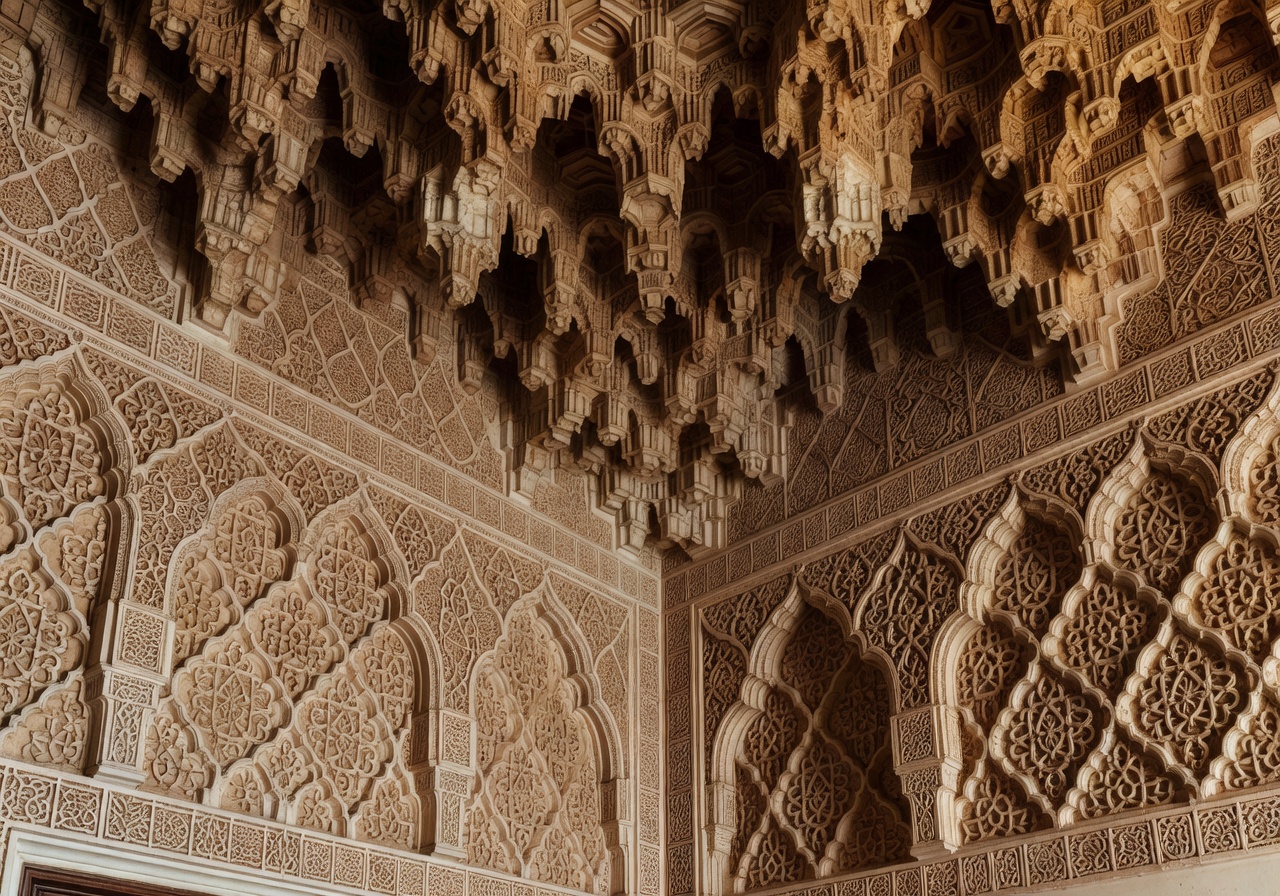
There are no words adequate to describe the Alhambra — you simply have to experience it. The Nasrid Palaces are the highlight, where every surface is covered in intricate Islamic geometric carving and calligraphy. The Patio de los Leones (Court of the Lions) with its famous fountain, the Hall of the Ambassadors, and the peaceful Generalife gardens overlooking the city are all transcendent. Book tickets at least 2–3 months in advance — this is non-negotiable, as they sell out consistently.
2. Albaicín
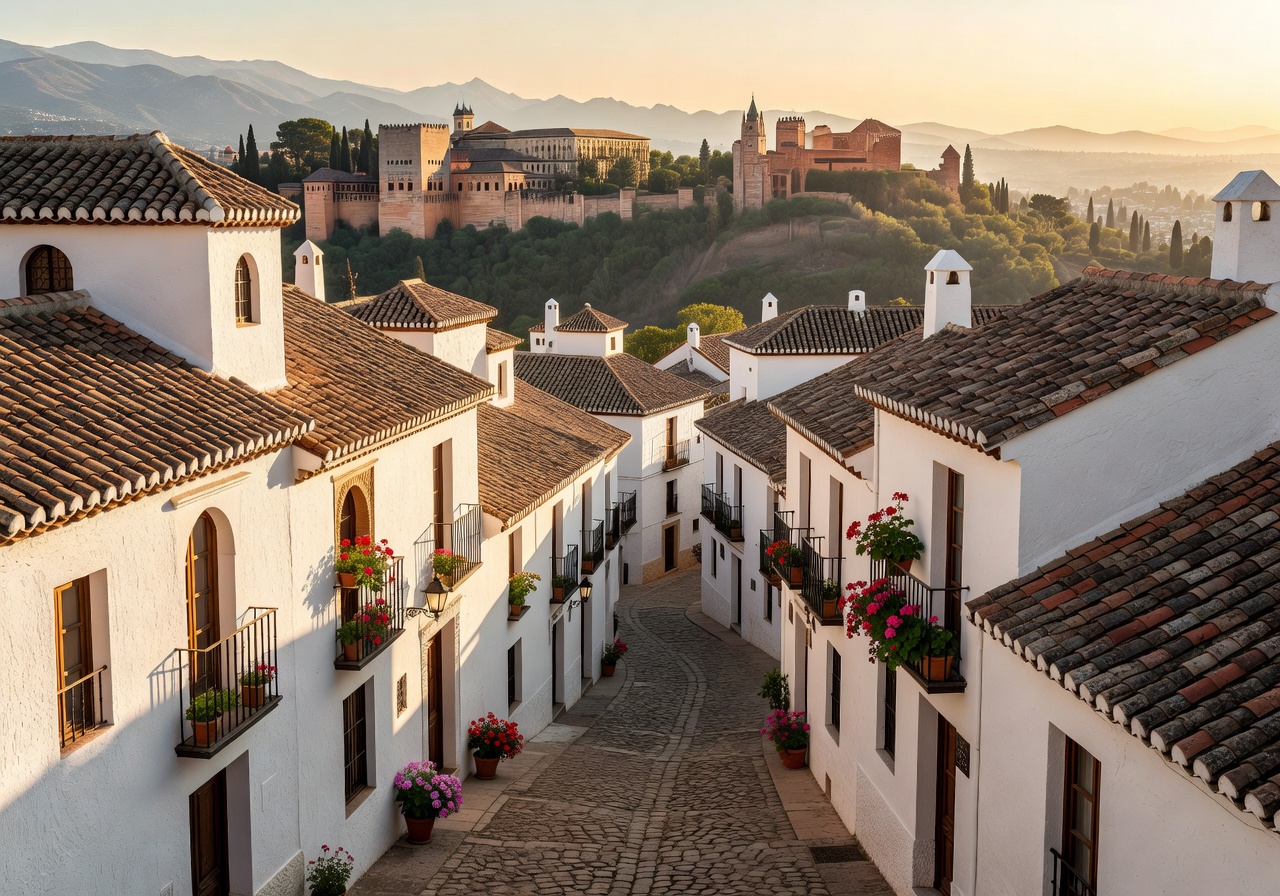
This UNESCO World Heritage neighborhood is a maze of steep, narrow streets, whitewashed houses, and hidden carmenes (traditional houses with walled gardens). It was the old Moorish quarter, and its character remains beautifully preserved. The Mirador de San Nicolás at the top offers what is arguably the most famous view in Spain — the Alhambra glowing against the Sierra Nevada at sunset.
3. Sacromonte
The traditionally Roma neighborhood of Sacromonte is famous for its cave houses dug into the hillside and its raw, passionate zambra flamenco shows. Watching flamenco performed in a whitewashed cave, with the performers just feet away, is one of the most intense cultural experiences in all of Spain.
4. Free Tapas Culture
Granada is the last major city in Spain where the tradition of free tapas with every drink still thrives. Order a beer or wine and you'll receive a tapa — sometimes substantial — at no extra charge. The portions get bigger with each round. Popular areas for tapas-hopping include Calle Navas, Plaza Nueva, and the streets around the Cathedral.
5. Sierra Nevada
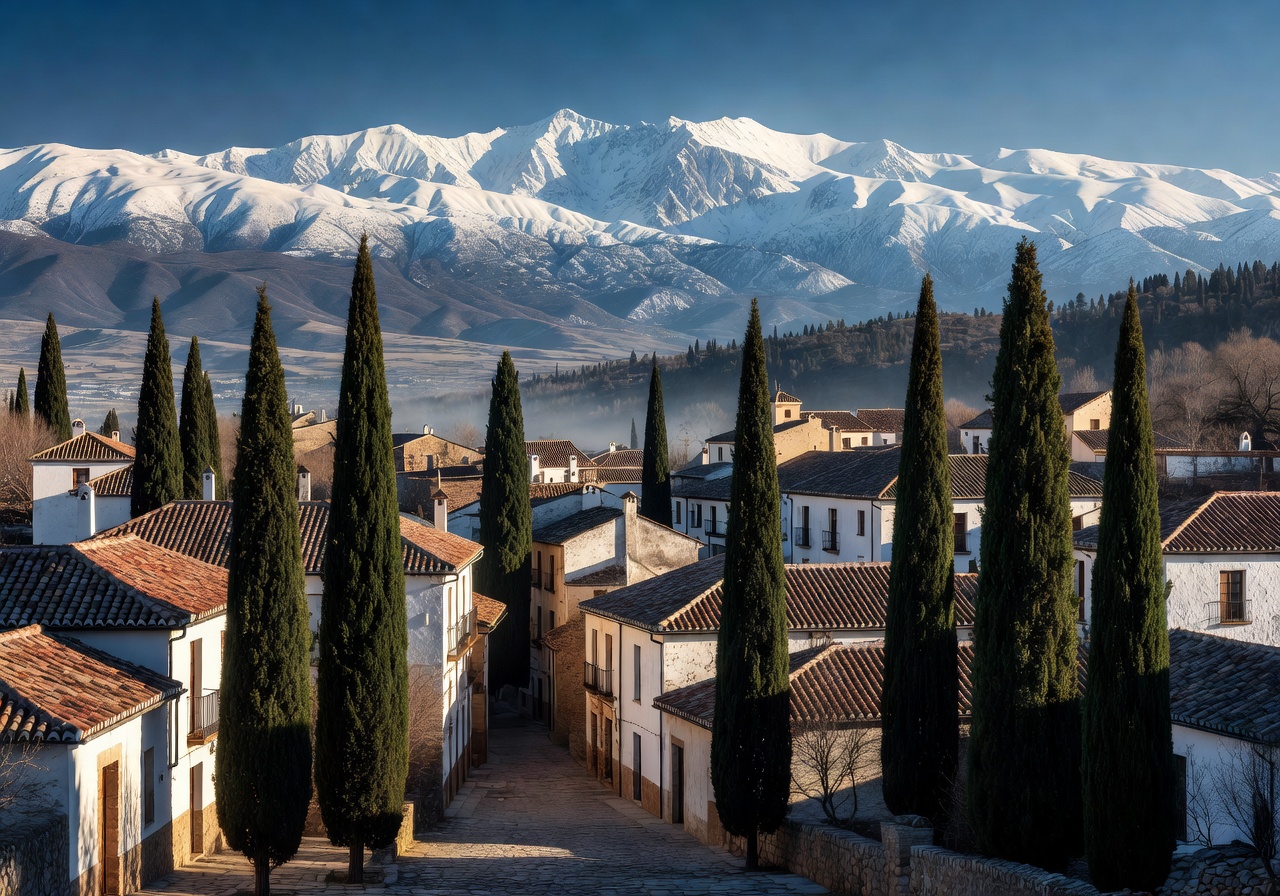
Just 30 minutes from the city center, the Sierra Nevada offers skiing in winter (Europe's most southerly ski resort) and spectacular hiking in summer. The Mulhacén peak at 3,479 meters is the highest point in mainland Spain. Even if you don't go up the mountain, the views from Granada with the snow-capped peaks as backdrop are extraordinary.
Best Time to Visit Granada
April–June and September–October are ideal. Spring brings wildflowers and comfortable temperatures (18–25°C), while autumn has clear skies and pleasant walking weather. July and August can reach 38°C+, though the altitude makes evenings cooler than coastal Andalusian cities. Winter is cold but the combination of the Alhambra dusted with snow and the nearby ski resort makes it surprisingly appealing.
Food & Culture
Beyond the free tapas tradition, Granada has a rich culinary scene. Must-try dishes include habas con jamón (broad beans with ham), tortilla del Sacromonte (an omelet made with brains and other offal — traditional if adventurous), piononos (a sweet pastry unique to nearby Santa Fe), and té moruno (Moorish mint tea) in the teterías (tea houses) of Calle Calderería Nueva.
Travel Tips for Granada
- Book Alhambra tickets 2–3 months in advance on the official Patronato de la Alhambra website
- If Alhambra tickets sell out, try booking through the Granada Card, which includes transport and other monuments
- Wear sturdy shoes — the Albaicín and Sacromonte are steep and cobblestoned
- Take the free tapas culture seriously — don't rush, enjoy each bar, and move on after 1–2 drinks
- The best Alhambra views are from the Mirador de San Nicolás at sunset — arrive 30 minutes early for a good spot
- Granada has a large student population, making it lively and affordable year-round
- The bus from Granada to the Sierra Nevada ski station runs regularly in winter