Why Seville Is Spain's Most Passionate City
If Spain has a soul, it lives in Seville. This ancient Andalusian capital — the largest city in southern Spain — burns with a passion that's immediately palpable. From the rhythmic stamp of a flamenco dancer's feet to the haunting processions of Semana Santa, Seville doesn't just celebrate culture — it breathes it.
The city's layered history is written across its architecture: Roman foundations, Moorish palaces, Gothic cathedrals, and Renaissance splendor coexist in a remarkably compact historic center. And running through it all is the Guadalquivir River, whose banks come alive every evening with strolling families, cyclists, and the warm glow of the Andalusian sunset.
Best Things to Do in Seville
1. Real Alcázar
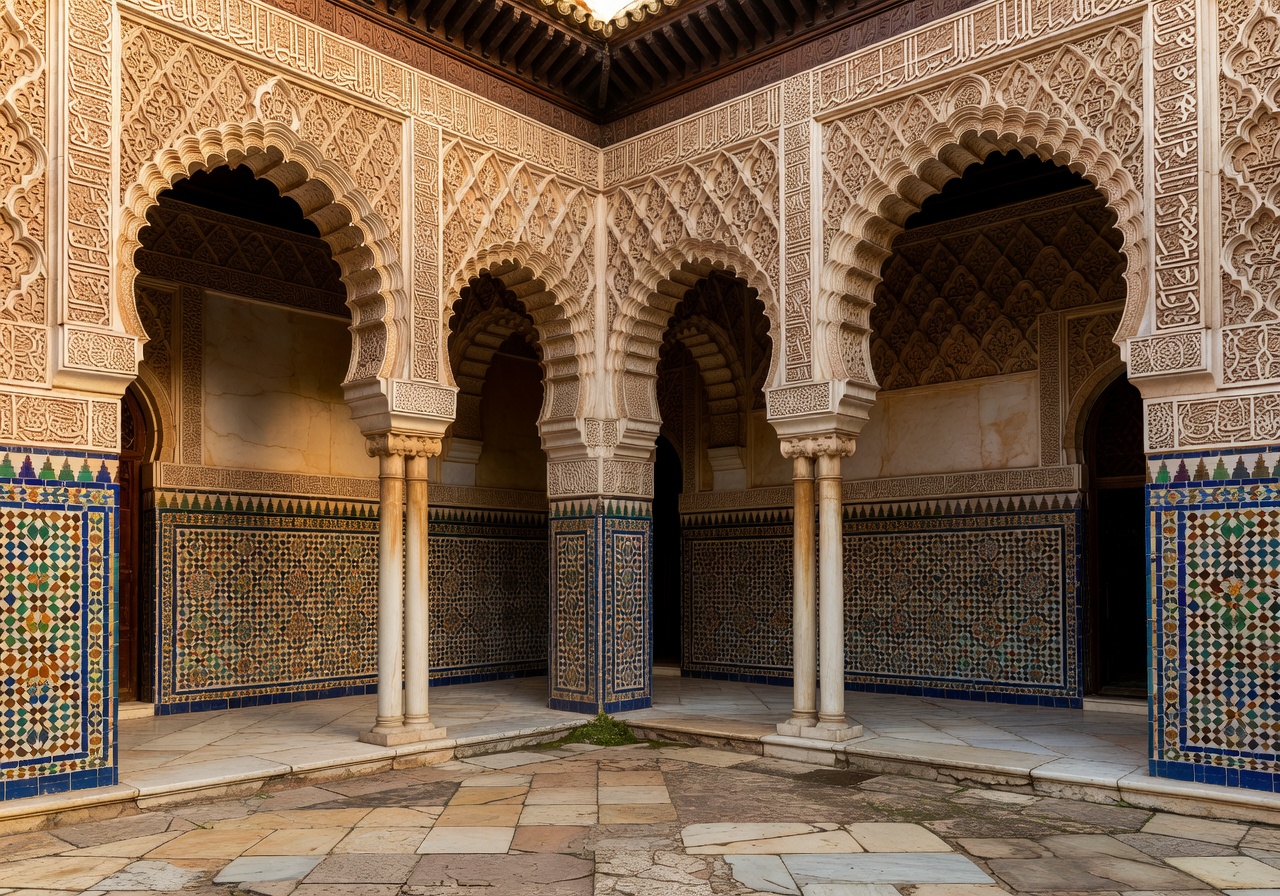
Often overshadowed by the Alhambra, Seville's Royal Alcázar is arguably even more stunning — and it's still used by the Spanish royal family today, making it the oldest royal palace still in use in Europe. The mix of Islamic, Gothic, Renaissance, and Baroque styles across its courtyards, halls, and gardens is breathtaking. Game of Thrones fans will recognize the gardens as the Water Gardens of Dorne.
2. Seville Cathedral & La Giralda
The largest Gothic cathedral in the world (and third-largest church overall), Seville Cathedral is overwhelming in its scale and richness. Climb the 35 ramps of La Giralda — the former minaret turned bell tower — for the best panoramic views of the city. Inside, the tomb of Christopher Columbus is one of many remarkable features.
3. Plaza de España
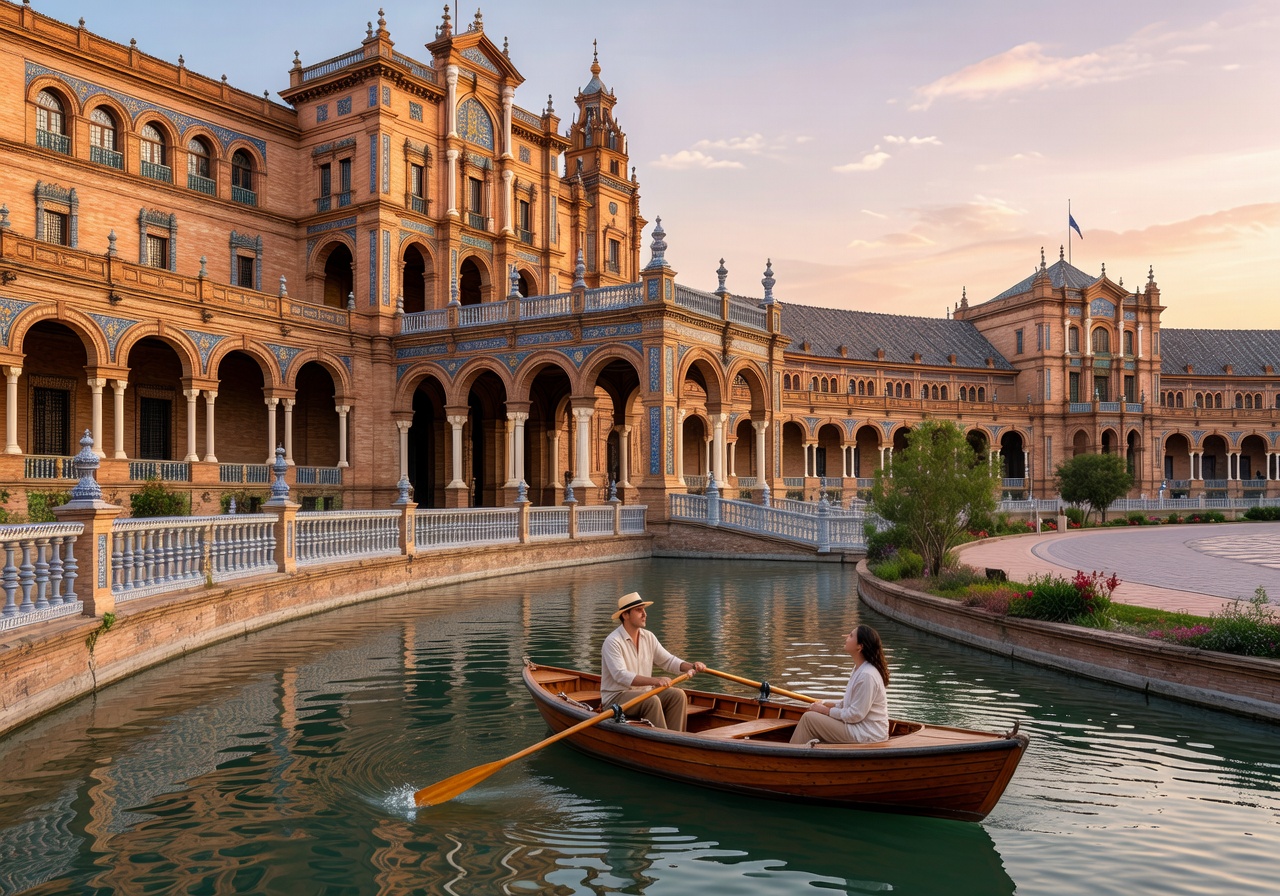
Built for the 1929 Ibero-American Exposition, this enormous semicircular plaza is one of the most photogenic spots in all of Spain. Tiled alcoves representing each Spanish province, a canal with ceramic bridges, and the grand Renaissance-Revival architecture make it utterly spectacular — especially in the golden light of late afternoon.
4. Flamenco in Triana
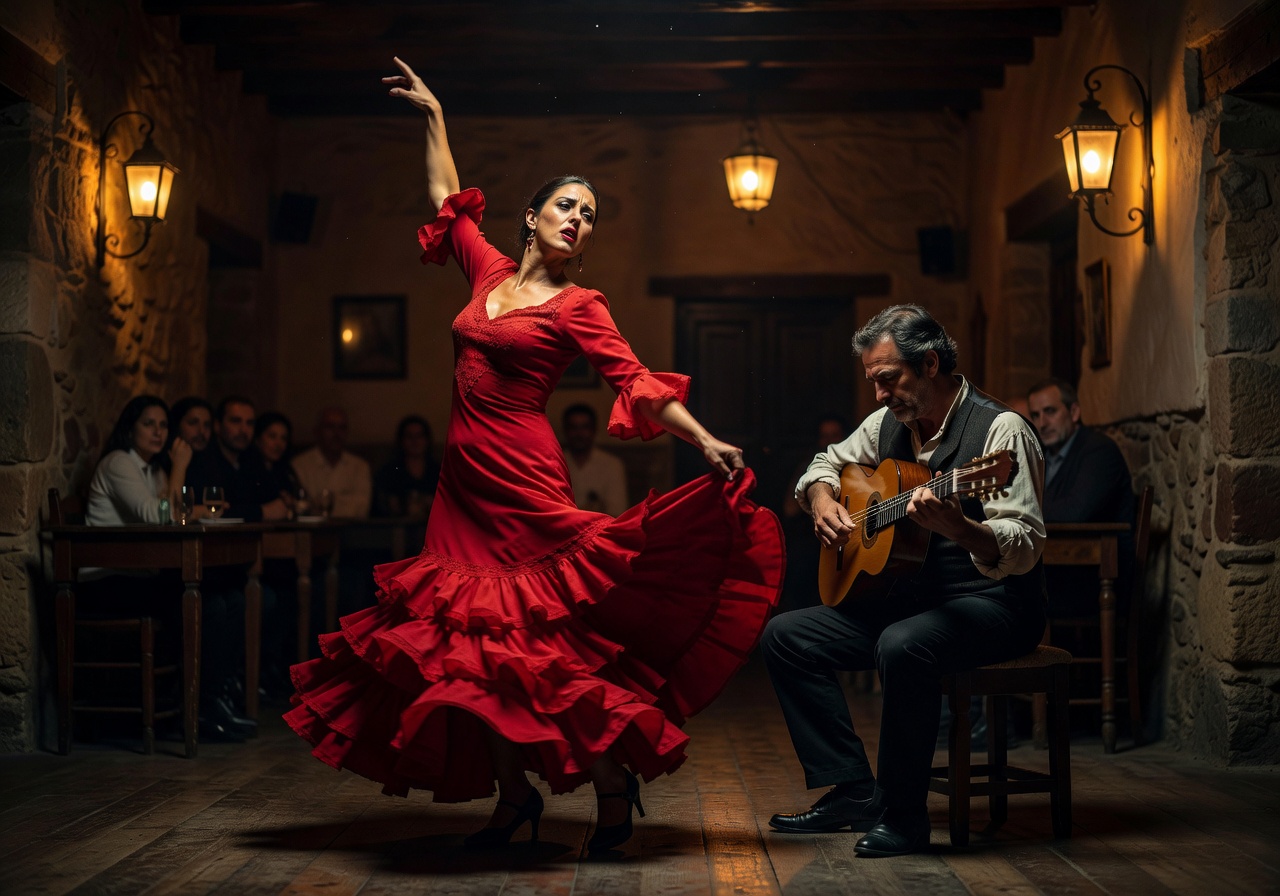
Cross the Puente de Isabel II into Triana — the traditional barrio of Seville's flamenco artists, bullfighters, and ceramic craftsmen. For an authentic flamenco experience, skip the tourist shows and seek out a small tablao in Triana or Santa Cruz where the performers play to an intimate audience. The emotion is raw and unforgettable.
5. Barrio Santa Cruz
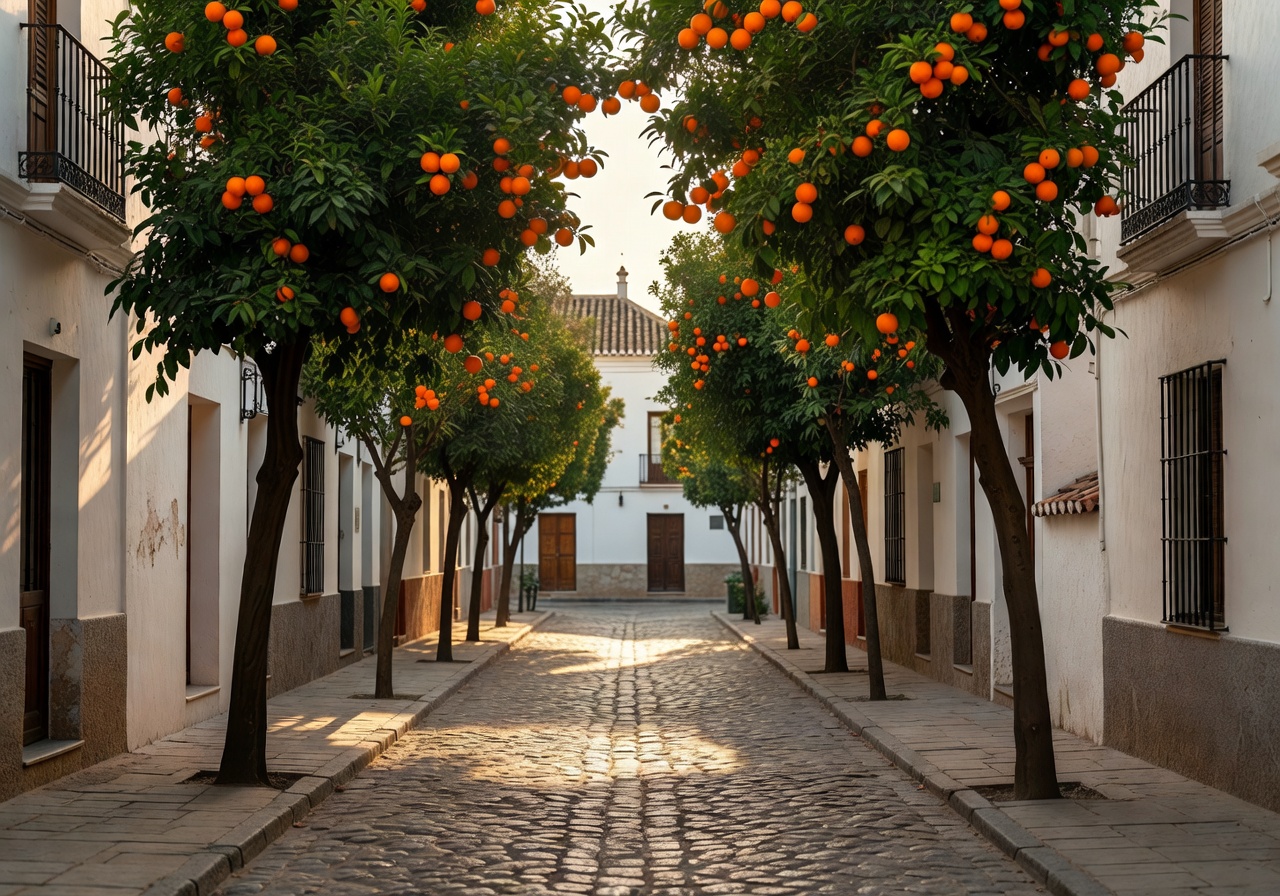
The former Jewish quarter is a maze of narrow whitewashed streets, hidden plazas, orange trees, and beautiful tiles. It's impossibly charming and wonderfully walkable — the kind of neighborhood where getting lost is the whole point.
Best Time to Visit Seville
March–May and October–November are perfect. Spring brings the famous Feria de Abril and Semana Santa celebrations, along with pleasant 20–25°C temperatures. Avoid July and August unless you enjoy 40°C+ heat — Seville is regularly the hottest city in Europe during summer.
Food & Culture
Seville's tapas culture is legendary and deeply social. Essential dishes include salmorejo (a thick cold tomato soup), espinacas con garbanzos (spinach with chickpeas), pescaíto frito (fried fish), and endless varieties of jamón ibérico. The neighborhood of Alameda de Hércules has become a foodie hotspot with excellent modern Andalusian cuisine.
Travel Tips for Seville
- Book Real Alcázar tickets online — the queues can be over 2 hours in peak season
- Wear comfortable walking shoes — the cobblestone streets are beautiful but unforgiving
- The Seville Card gives entry to major attractions plus public transport — worth considering
- Siesta is serious here — many shops close 2–5pm, especially in summer
- The city is very bikeable — the Sevici bike-sharing system is cheap and convenient
- If visiting during Semana Santa (Holy Week), book accommodation months in advance